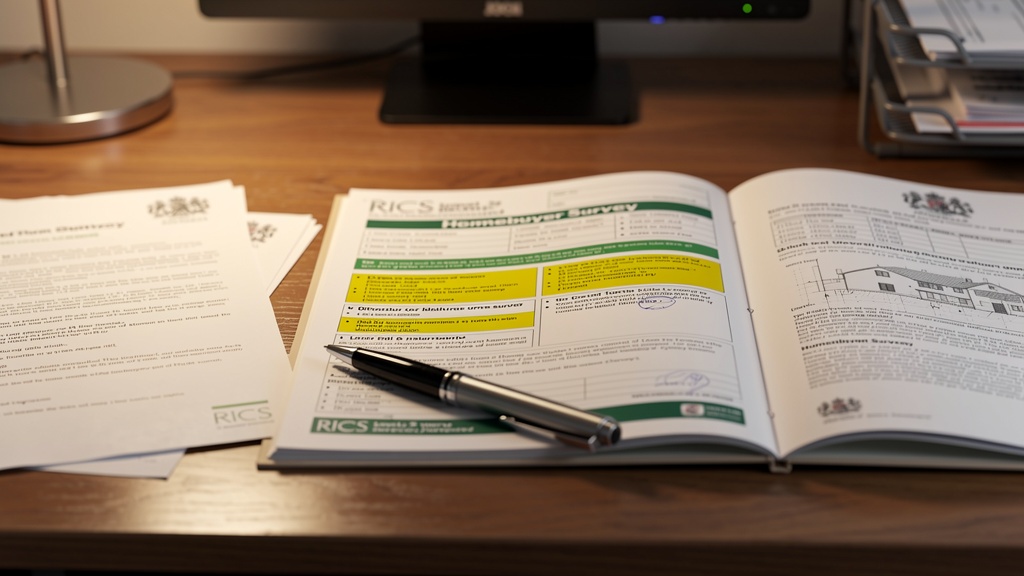
Every week, someone rings our office in Esher and asks the same question: "I'm buying a house — which survey do I need?" It's one of the most common sources of confusion for property buyers across Surrey, and honestly, it's understandable. The names have changed, the marketing materials are dense, and estate agents sometimes advise you to skip the survey altogether to move faster. That last piece of advice, by the way, is one we'd strongly push back on.
In this guide, I'm going to explain the difference between a RICS Level 2 home survey and a RICS Level 3 building survey in plain English — no jargon, no unnecessary complexity. By the end, you'll know exactly which one is right for the property you're buying.
A Quick Bit of Background
Until a few years ago, you'd hear terms like "Homebuyer Report" and "Full Structural Survey." RICS (the Royal Institution of Chartered Surveyors) updated their framework and introduced a cleaner, tiered system. Level 1 is a basic condition report. Level 2 is what most people call the Homebuyer Report. Level 3 is the comprehensive building survey — previously known as the "full structural" survey.
The renaming caused a fair bit of confusion, but the underlying principle is simple: higher levels mean more detail. They also mean more time on site and a higher fee.
What Is a RICS Level 2 Home Survey?
The Level 2 home survey is designed for conventional, modern properties that appear to be in reasonable condition. If you're buying a 1980s semi-detached in Esher, a 1990s terrace in Surbiton, or a recently renovated flat in Walton-on-Thames, a Level 2 survey is likely all you need.
During a Level 2 inspection, your surveyor will visually assess all accessible areas of the property — roof, walls, floors, windows, doors, services — and rate each element using a traffic-light system:
- Condition Rating 1 (Green): No repair is currently needed.
- Condition Rating 2 (Amber): Defects that need attention but are not urgent.
- Condition Rating 3 (Red): Serious defects that need urgent repair or further investigation.
The report will also flag any legal considerations, environmental risks, and issues you should raise with your solicitor. It won't include detailed advice on construction methods or extensive cost estimates, but it gives you a clear picture of the property's condition and highlights anything that needs attention.
I carried out a Level 2 survey on a 1960s bungalow in Claygate last spring. The garden looked lovely, the decor was fresh, and the estate agent had described it as "beautifully presented." The survey flagged a Condition 3 issue with the flat roof over the rear extension — signs of water ingress that had been recently painted over but not repaired. The buyers used that finding to negotiate £4,500 off the asking price and got it sorted properly before moving in.
What Is a RICS Level 3 Building Survey?
The Level 3 building survey is our most thorough inspection. It's strongly recommended for:
- Older properties — anything Victorian, Edwardian or pre-war
- Unusual construction types (timber frame, flint, thatched cottages)
- Properties that have been significantly altered or extended
- Any property where you plan to do major work
- High-value properties where the financial stakes are highest
Esher and the wider Elmbridge area is full of exactly these kinds of homes. Victorian terraces in Surbiton. Edwardian detached homes in the KT10 postcode. Pre-war cottages near the Thames in Thames Ditton. These buildings have character — but they also have decades of history, and that history can hide expensive problems.
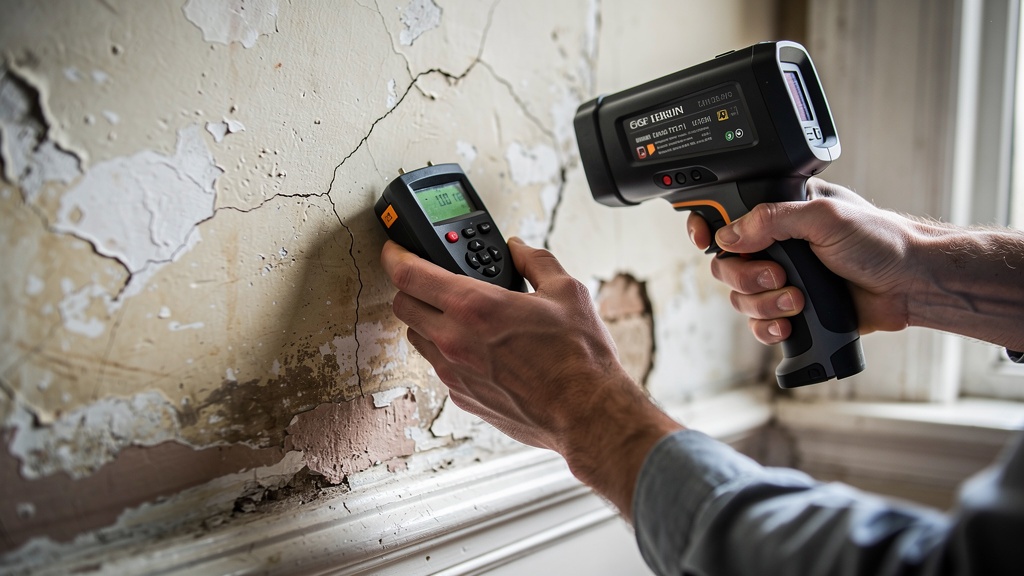
A Level 3 inspection goes further than a visual check. The surveyor will assess construction methods and materials, trace defects to their root cause, and provide detailed descriptions of what's wrong, why it happened, and what the repair options are. Where possible, we'll include indicative repair costs to help you plan.
"A Level 3 survey is not just about finding problems. It's about understanding the building — why it was built the way it was, how it's performing, and what its future needs are going to be."
The Key Differences at a Glance
Here's how the two surveys compare on the aspects that matter most to buyers:
- Depth of inspection: Level 2 is visual; Level 3 explores construction methods and traces defect causes.
- Roof space inspection: Level 2 is typically external; Level 3 includes the accessible roof space.
- Report style: Level 2 uses condition ratings; Level 3 provides full narrative descriptions.
- Cost guidance: Level 3 includes indicative repair costs; Level 2 gives general guidance only.
- Time on site: Level 2 takes roughly 1.5–2.5 hours; Level 3 takes 3–5 hours or more.
- Turnaround: Level 2 typically 3–4 days; Level 3 typically 4–5 days.
So Which One Do You Need?
Here's my rule of thumb: if the property is post-1950, built of brick and tile, hasn't been extensively altered, and you're not planning major works — a Level 2 survey is likely sufficient. If any of those conditions aren't met — choose Level 3.
When in doubt, always go for the more comprehensive option. The extra cost of a Level 3 survey is modest compared to the potential savings from identifying a serious defect before exchange.
A Note on Cost
Survey fees depend on the property's size, type and location. In Esher and the wider Surrey area, RICS Level 2 home surveys typically start from around £450 and Level 3 building surveys from around £650. These are not prices to agonise over when the average property price in KT10 exceeds £800,000. A few hundred pounds extra for peace of mind — and the potential to negotiate thousands off the price — is almost always worth it.
Frequently Asked Questions
Ready to Book a Survey in Esher or Surrey?
Our team of RICS surveyors is ready to help. Get a free, no-obligation quote today.
Get a Free QuoteFor a full comparison of all our survey types, visit our Services page. If you're buying in the Esher area, you might also find our guide to buying property in Esher helpful.